
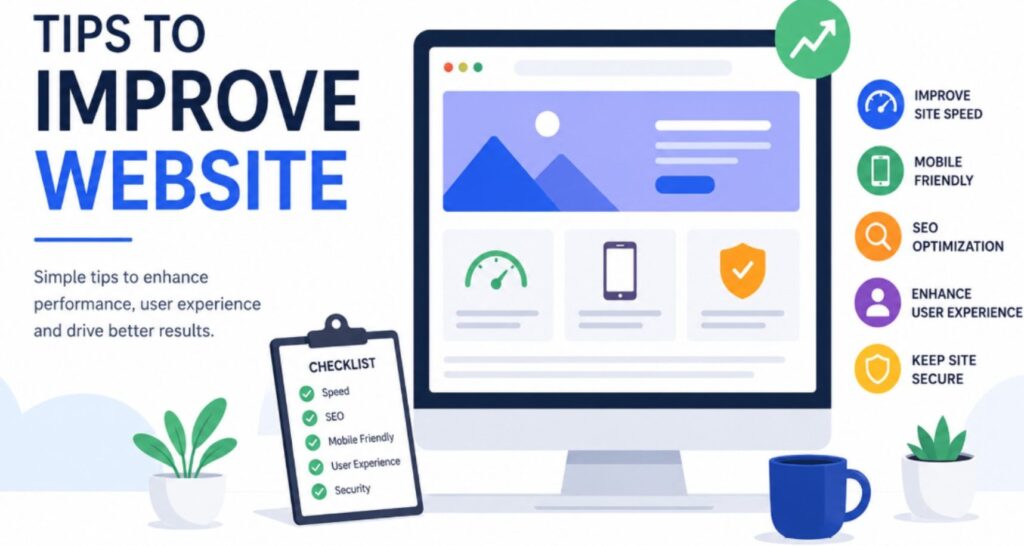
A website is often the first interaction people have with a business, making user experience (UX) one of the most important factors in online success. User experience refers to how easily visitors can navigate, understand, and interact with a website. When users have a smooth and enjoyable experience, they are more likely to stay longer, engage with content, and take action.
Good user experience starts with a clean and intuitive design. Visitors should be able to find information quickly without feeling confused or overwhelmed. Clear navigation, readable content, and a well-organized layout help users move through a website effortlessly. A simple and user-friendly design creates a positive impression and encourages visitors to explore further.
Website speed and mobile responsiveness also play a major role in user experience. Modern users expect websites to load quickly and function smoothly across all devices. Slow-loading pages, broken layouts, or difficult navigation can lead to frustration and cause visitors to leave. A fast and responsive website helps improve engagement and keeps users interested.
Beyond aesthetics and functionality, user experience directly impacts business results. A website that is easy to use can increase conversions, improve customer satisfaction, strengthen brand credibility, and support long-term growth. Businesses that prioritize user experience create stronger connections with their audience and provide value at every stage of the customer journey.
Key Ways User Experience Impacts Website Success
1. Improves First Impressions
- Creates a professional appearance.
- Builds trust with visitors.
- Makes users feel confident in your brand.
- Encourages further exploration.
2. Increases User Engagement
- Keeps visitors on your website longer.
- Encourages interaction with content.
- Improves page views and session duration.
- Reduces bounce rates.
3. Enhances Website Navigation
- Helps users find information quickly.
- Creates a smooth browsing experience.
- Reduces confusion and frustration.
- Improves overall usability.
4. Boosts Conversion Rates
- Makes it easier for users to take action.
- Improves lead generation opportunities.
- Supports online sales and inquiries.
- Creates a seamless customer journey.
5. Supports Mobile Users
- Provides a consistent experience across devices.
- Improves accessibility for mobile visitors.
- Increases engagement on smartphones and tablets.
- Meets modern user expectations.
6. Improves SEO Performance
- Reduces bounce rates.
- Increases user interaction signals.
- Supports faster page loading times.
- Helps search engines recognize quality websites.
7. Strengthens Brand Reputation
- Creates positive customer experiences.
- Builds trust and credibility.
- Encourages repeat visits.
- Increases customer loyalty.
Why User Experience Matters
A beautiful website alone is not enough. Visitors expect websites to be fast, easy to navigate, and helpful. When businesses focus on user experience, they create websites that not only look great but also deliver meaningful results. A positive user experience helps turn visitors into customers while building long-term trust and satisfaction.
Key Takeaway
User experience is the foundation of a successful website. By focusing on usability, speed, accessibility, and clear design, businesses can create engaging digital experiences that attract visitors, improve conversions, and support long-term growth.